
The story in 30 seconds
A world-first product. An inherited supply chain. Venture-scale upside, honestly priced.
Six facts that make the case — each unpacked further down the page.
1st & only
organic-certified rice-straw packaging in the world — a
certification moat competitors can't copy.
$4.5–9.5B → $15B+
Global molded-fiber market by 2034
25 years
of Urmatt ecosystem inherited: ~2,000 certified farming
families, seed-to-ship logistics, EU lab work underway.
~2–2.5 yrs
illustrative capex payback per ~$250K pulp unit, working capital
included — each unit can finance the next.
$20K minimum
a focused round of industry insiders, not a crowd — at a
proposed $5M valuation cap cap pending.
0× to ~10–30×+
the honest outcome range — total loss included. The math is on
the table below.
Forward-looking and partly illustrative — the offering documents govern.
A new product layer on the world’s largest organic rice exporter.
Not their first attempt
25 years of building.
Chiang Rai-based. Backed by the Urmatt ecosystem. A team that has been working with smallholder farmers since before "impact investing" had a name.
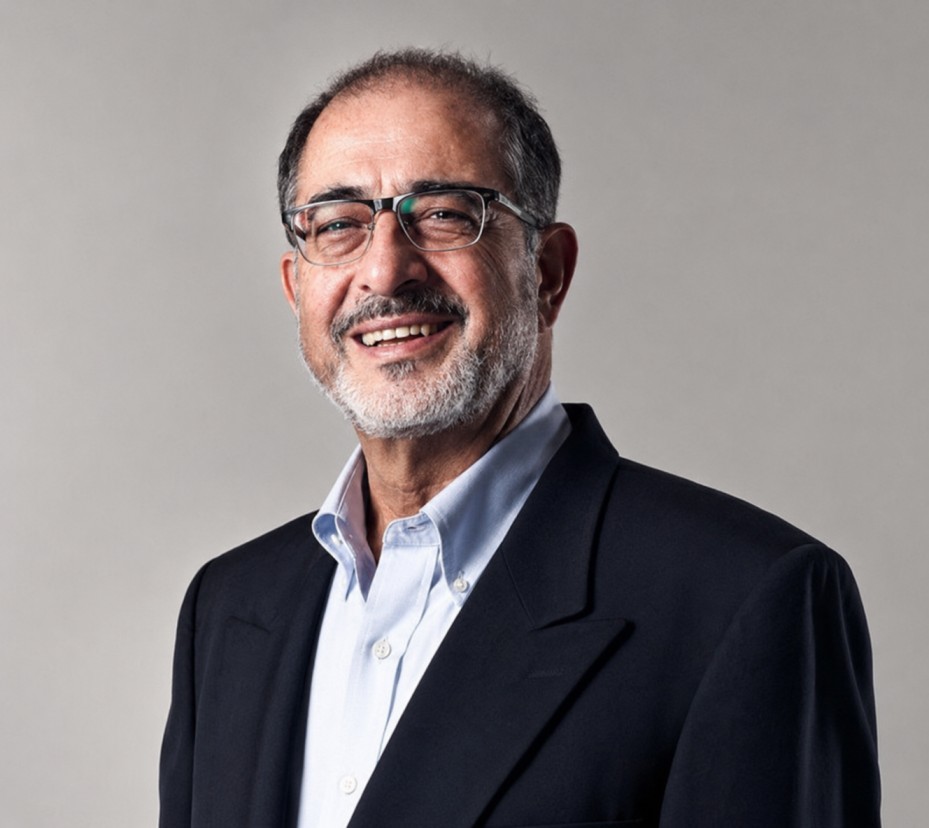
Founder & Chairman
Arvind Narula
Three decades building inclusive organic agriculture in northern Thailand. Founded Urmatt in 1999 and grew it into the world’s largest organic jasmine rice producer — ~2,000 families, seed-to-ship. Ecologic Circle is the next chapter.
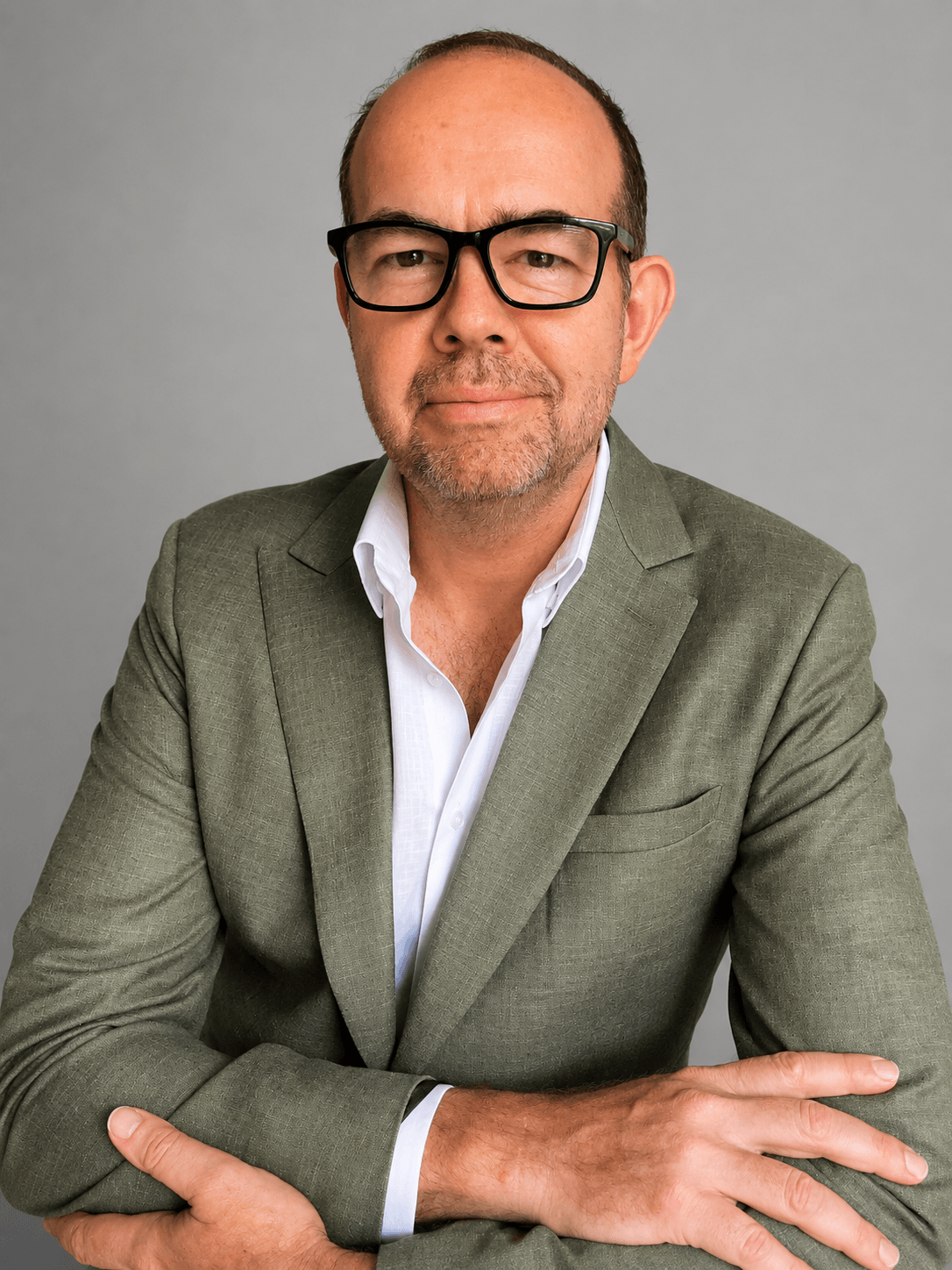
Co-founder
Bastiaan Bijl
Twenty years of sustainable trade-development advisory in agri-food. Leads commercialization, EU and US regulatory pathways and distributor relationships, and the European distributor relationship. Where Narula built the farm, Bijl builds the bridge to market.
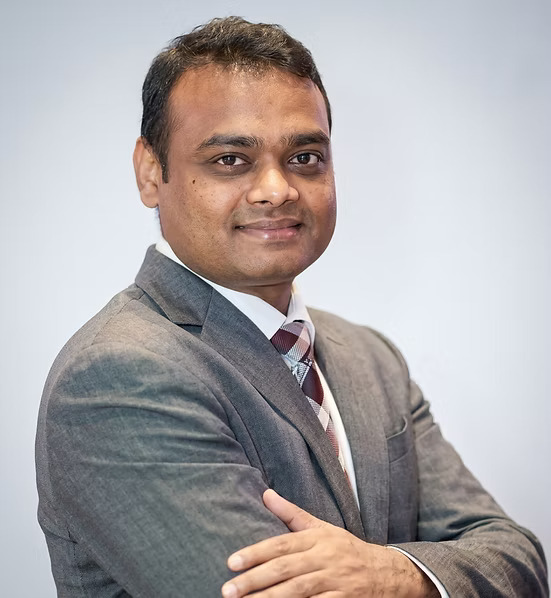
Director · Chief Operating Officer
Vikram Shinde
Agri-food engineer and operations leader — highly successful greenfield and brownfield project delivery in food manufacturing, including SATS Food Solutions (Thailand) and Olam Global Agri (Thailand). Now expanding Urmatt and Ecologic Cirlce’s operations
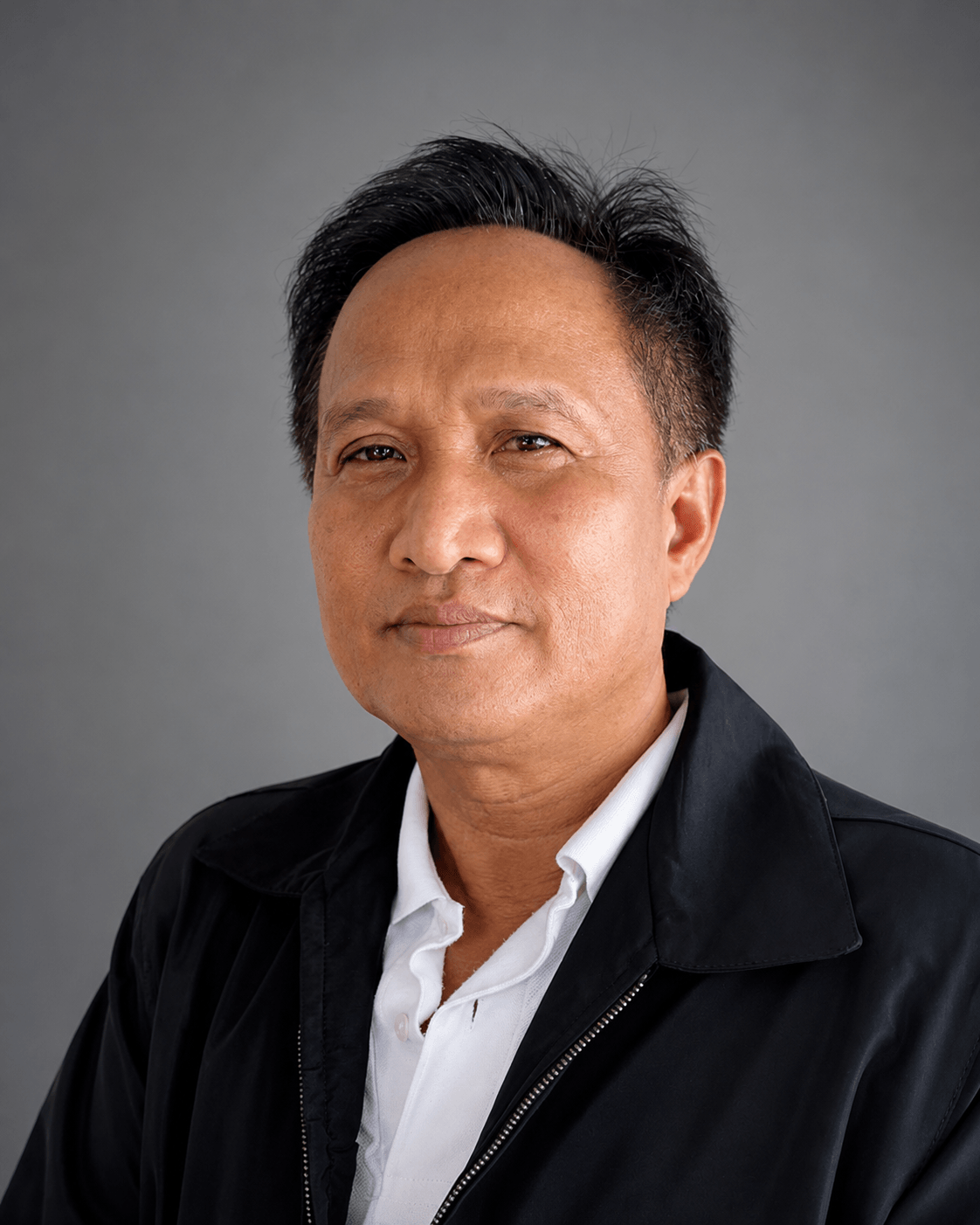
Communities Director
Sinchai Puanginchai
Coordinated ~2,000 farmers and factory operations to strict international standards at Urmatt — work that takes real talent, and earns deep respect from the farmer community. 40 years of integrated rice farming and processing : Thailand, Singapore, and Sweden.
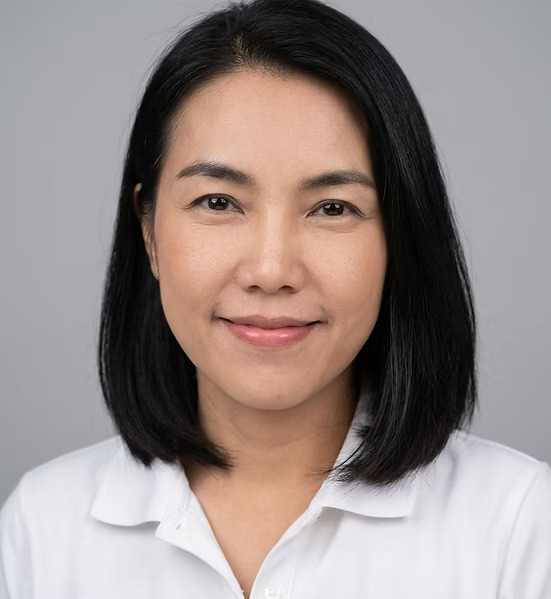
Director · Chief Financial Officer
Rungnapa Stikum
Twenty years of management accounting across leading automotive and food businesses (BMW Seating, Volvo, AB F&B). CFO at Urmatt Ltd.
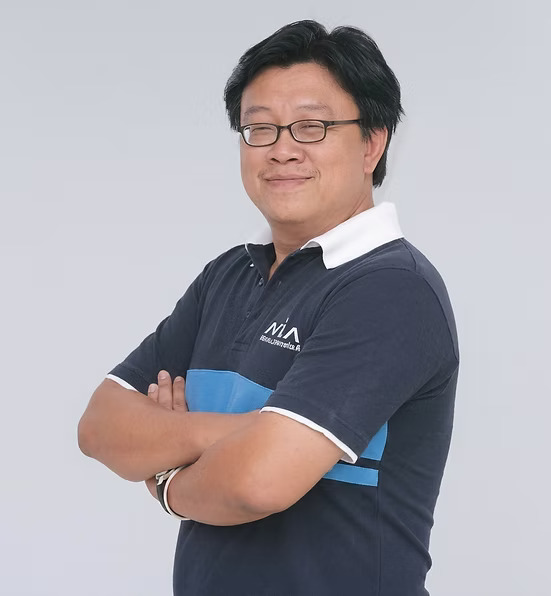
Technical Advisor — Senior Pulp & Packaging Engineer
Dr. Paijit Sangchai
35 years in pulp & paper packaging. Founder of Flexoresearch Group and a World Economic Forum Technology Pioneer (2011) for enzyme-based recycling tech. Featured on CNN and in TIME.
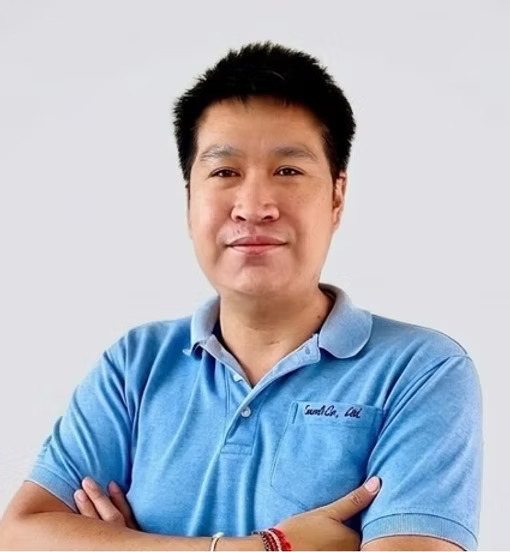 Monthon WongphadSite Manager, Ecologic Circle Ltd
 Phakawan JandaengLead in house scientist, Urmatt Ltd
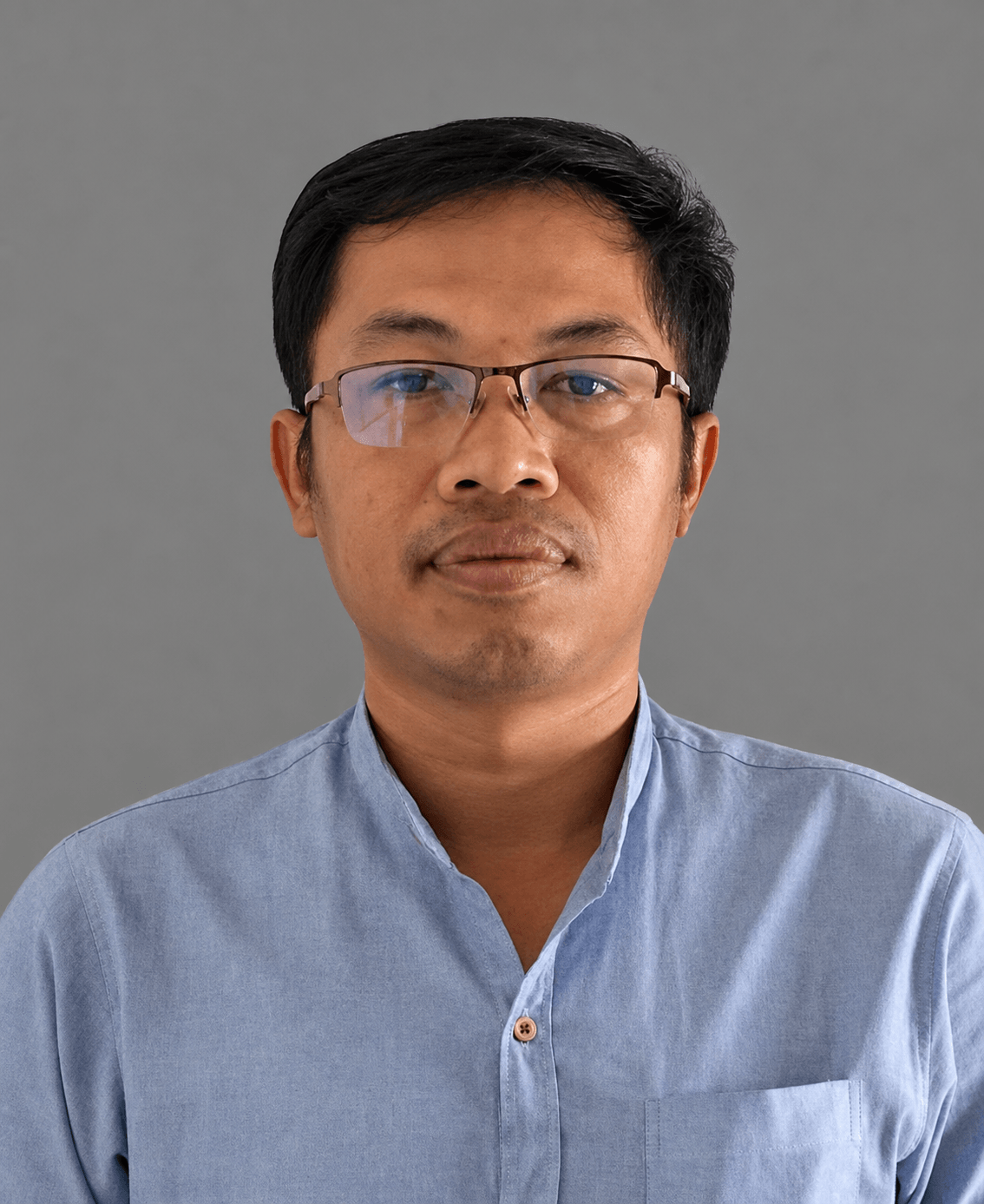 Tanakith SiripornsombuteHead of Field Operations, Urmatt Ltd
Twenty-five years of foundation, pointed at a single waste stream.
What the waste becomes
One rice harvest. One waste stream. An entire product ecosystem.
Farmers burn the straw. Ecologic Circle turns it into products the world already needs — and that the certifiers have already approved.
The single input🌾 Rice Straw
Core products · today
Revenue first
The first revenue line
🍱
Molded-fiber packaging
Fully compostable fruit, egg & retail trays — the first packaging that lets an organic brand say, honestly: "organic product, organic packaging."
📦
Rice-straw pulp
Sold raw to molders and paper mills across Asia — Most competitors not backward integrated. . A standalone revenue line and the structural advantage.
Future core · higher value
Higher-value markets
Higher investment, much higher value
🧬
Nanocellulose
Artificial leather, paper coatings, cosmetics, nappies — 4–6,000 per baby, mostly synthetic with tree-based cellulose today.
🔋
Silica
Straw is naturally silica-rich — batteries, electronics, industry.
🚚
Carton replacement
Not high value — very high volume. Amazon ships ~4B parcels a year, Lazada 1B+ — mostly overbuilt boxes rice-straw carton can replace.
By-products · climate impact
Waste into impact
Lower margin, real climate story
🌱
Organic fertilizer
Composted straw, back to the same soil — replacing urea: fossil-heavy to make, ship, and spread (N₂O).
🪵
Biochar
Rice husk fuels a pyrolysis boiler: process energy + biochar, CO₂ locked in the soil.
Carbon credits
CO₂ locked into the soil as biochar, plus avoided field-burning — a tradable climate revenue stream (verification in development).

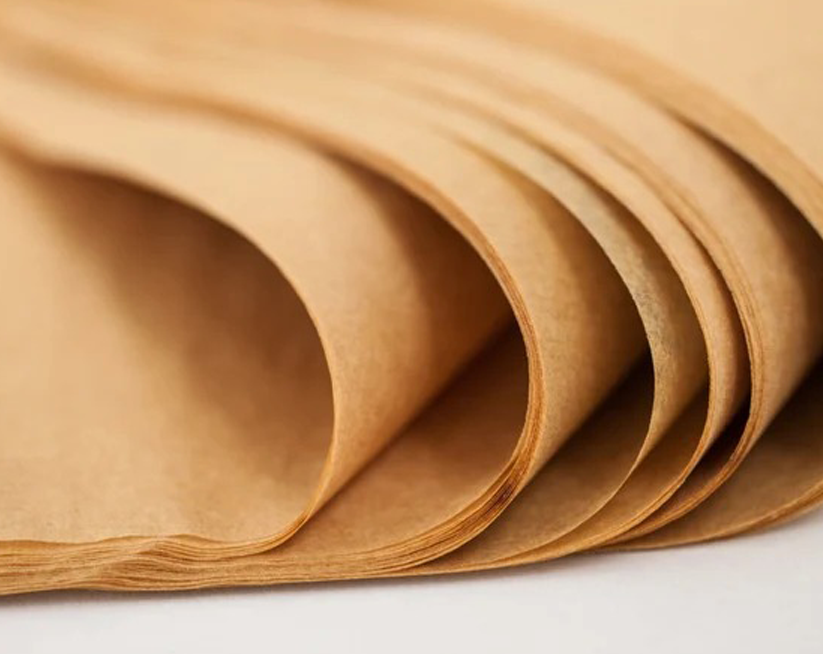
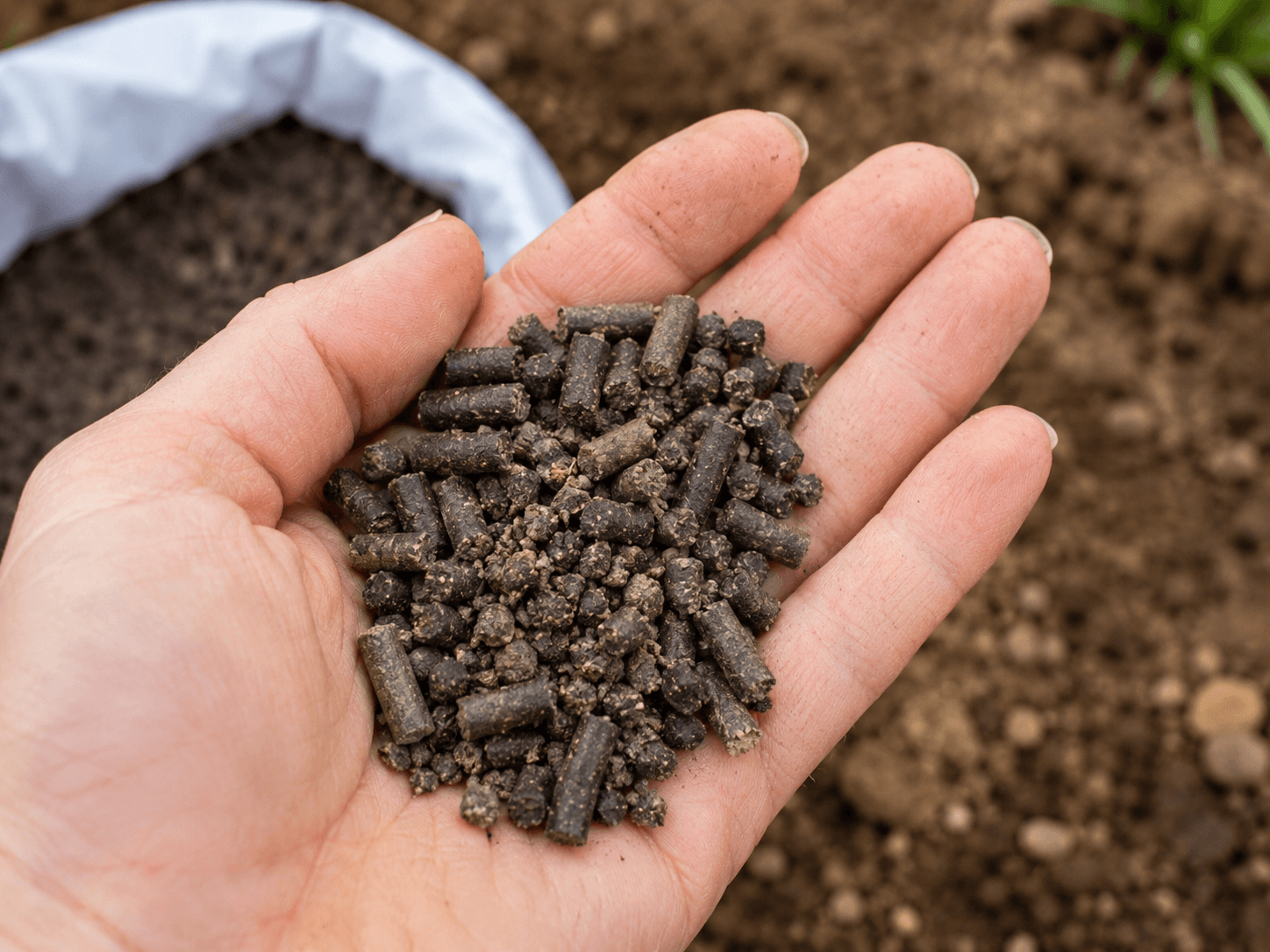
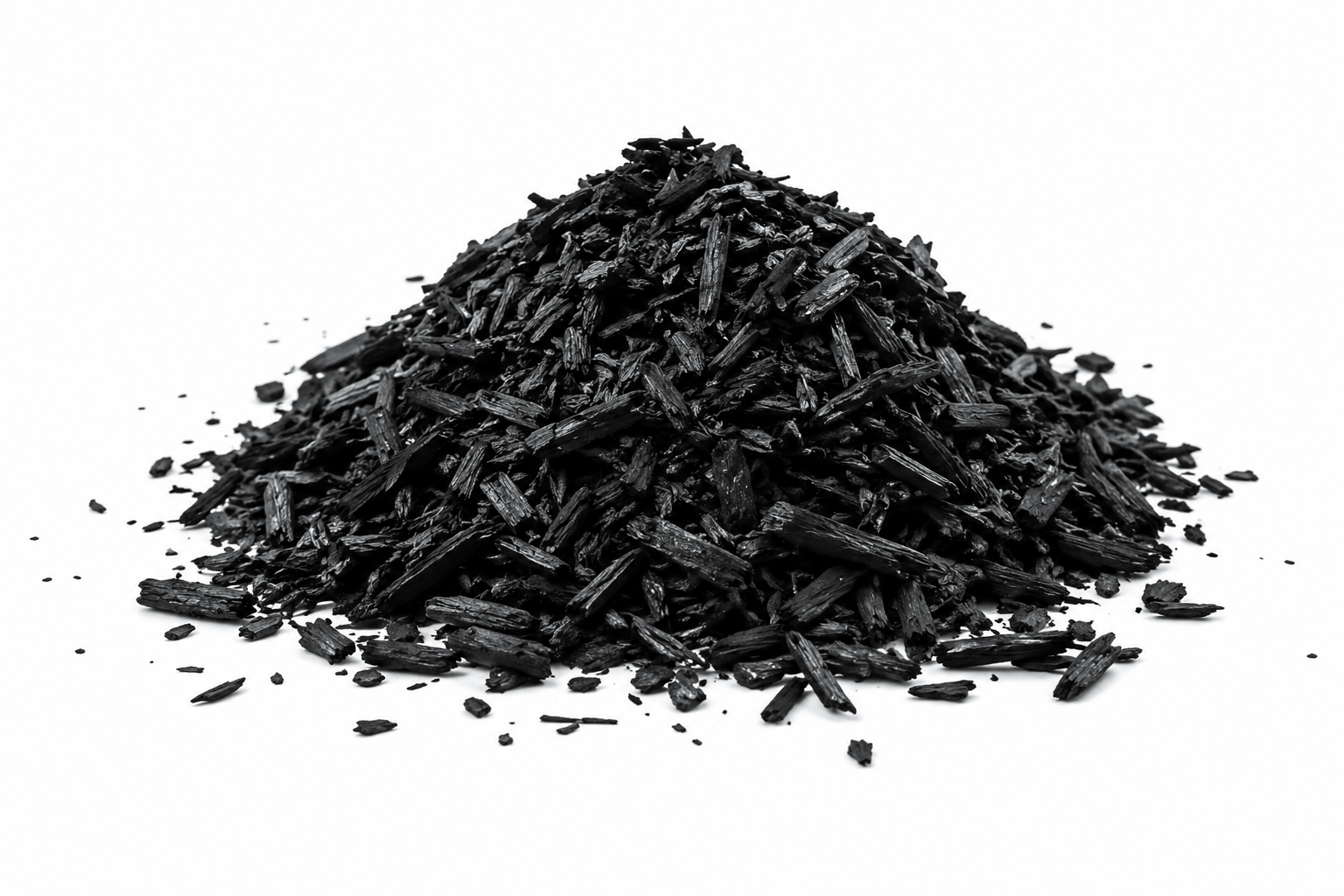
Core products generate revenue first. Future-core products unlock higher-value markets with additional investment. By-products turn waste into climate impact. One raw material. An entire product ecosystem.
But how does a burning field become any of that? One circle.
The turn
Stop the burn. Start the circle.
Organic inputs in, compostable trays out — five steps that turn the straw farmers used to burn into certified product.
-
1
Farm inputs
Organic seed and inputs go out to ~2,000 farming families — the same network that grows the certified-organic rice.
-
2
Skills & Compliance
Decades of agronomy know-how keep every field chemical-free — so the whole plant, not just the grain, is certified.
-
3
Collection
At harvest the straw is collected and paid for, instead of being burned in the field.
-
4
Pulping
Enzyme-led, low-chemistry processing turns the straw into pulp — and Ecologic Circle makes its own.
-
5
Molding
The pulp is molded into compostable trays and packaging, with fertilizer and biochar as by-products.
The circle works — so why is now the moment to build it?
Why now
Burning bans don't work. Paying farmers does. And the market for what they produce just opened.
Bans can’t police every field. The only thing that stops the burning is a market for the straw — and four forces just made that market real.
01
The regulatory push
Plastic is being legislated off the shelf — compostable alternatives are now mandatory, at scale.
🇫🇷 France — produce-plastic ban🇪🇺 EU — single-use directive🇹🇭 Thailand — plastic roadmap🇮🇳 India — Supreme Court vs stubble burning
02
The market pull
Compostable packaging market $85B+ in 2025 → ~$150B by 2034, growing 5–7% a year. Asia-Pacific fastest of all.
03
The organic packaging gap
"Organic product, organic packaging" was never possible — until now. In the $310B global organic foods market, operators are striving to use sustainable packaging — and Urmatt is already working with its international clients to launch organic compostable bowls for its instant organic noodles.
04
The competitive gap
There are few other rice-straw based food packaging suppliers, who currently cannot meet distributors' demand. The key other feedstocks in this space are bamboo and bagasse. Bamboo fuels deforestation. Bagasse comes from sugar factories, not field residue, and therefore does not prevent burning.
Ecologic Circle sits at the intersection of all four forces.
A regulatory crackdown on plastic · a booming market for compostable alternatives · an organic-packaging gap no one else has filled · a competitive landscape with almost no one in the way — and space to manoeuvre.
A clean story. But is it certified, or just a claim?
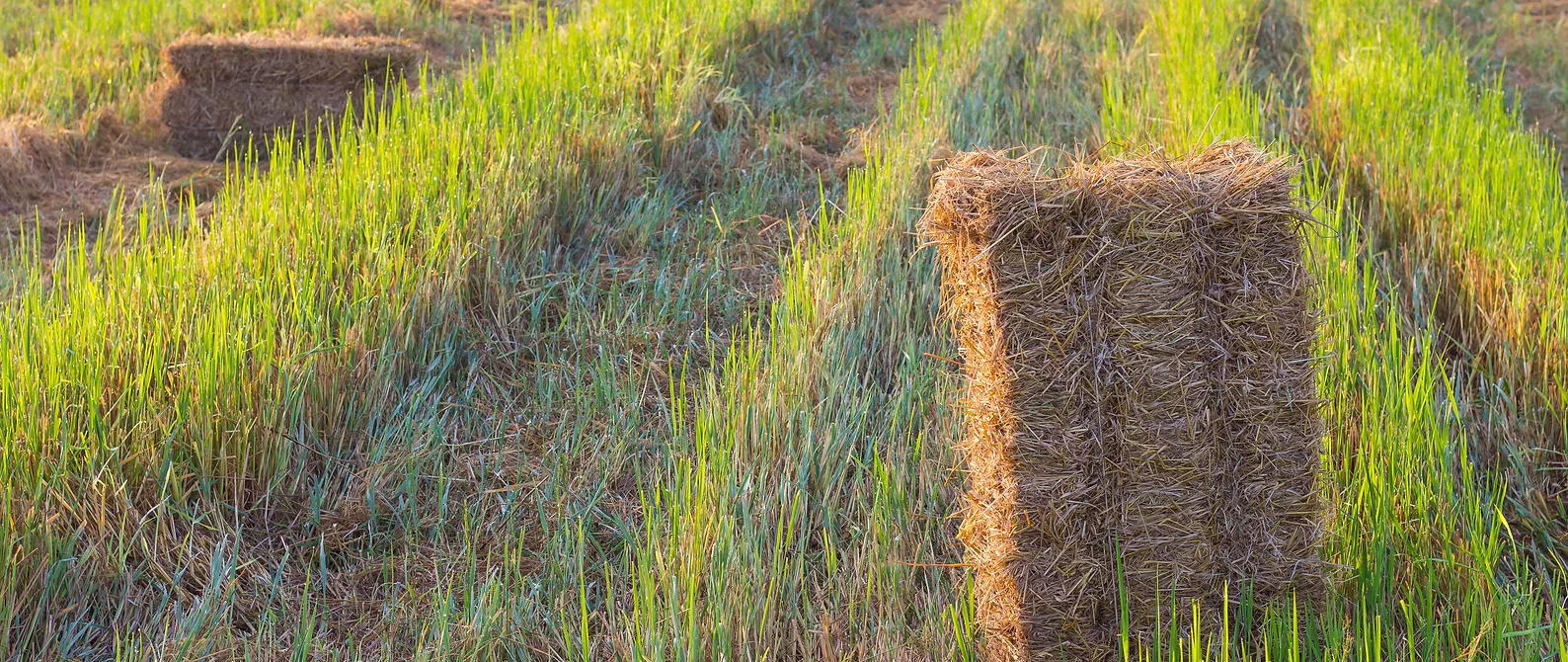
Proof it’s real
 A world-first — organic-certified rice-straw packaging
They had already certified the rice. So we certified the straw — the other 19/20 of the plant.
Now it’s the only packaging that lets an organic brand say, honestly: organic product, organic packaging.
✓ Straw✓ Pulp✓ Packaging✓ Fertilizer
A world-first — organic-certified rice-straw packaging
Certified, and real. So how big can this get?
The scale
The ultimate target: one million tons of straw a year, across the entire ASEAN region.
The impact numbers below are what that scale delivers. Stated plainly: the certified-organic line stays anchored to the ~2,000-farm Urmatt network — straw collected beyond it will be conventional, feeding the same compostable products at regional scale. Company projections — targets, not current results. Confirm with founders
15.0billion
Plastic packaging items replaced
8.5million
Trees saved
180thousand
Tons of pollutant averted
1.5million
Tons of carbon credits targeted (verification in development)
100thousand
Farm households impacted
"Ecologic Circle is a beautiful and natural extension to rice farming that Arvind and his team know deeply about. It is both needful and urgent, with ripple effects that can change the world."Alex TeeManaging Director, Beneficial Returns
Here’s how the next 18 months turn proof into scale.
The plan
The next 18 months.
25 years of foundation. This raise funds the next step. Specific dates & quarterly targets to be confirmed
1
Phase 1
Pilot Mold unit
First processing unit (~$250K, 1 ton/day capacity, working capital included) operational. Initial production runs for molded-fiber packaging and pulp for direct sale. This is the proof point — everything that follows depends on this unit running and selling.
2
Phase 2
Certification & market entry
Compostable packaging certified for European and U.S. export markets. The European distributor is already providing lab and mold-testing access before machinery is purchased, which compresses the timeline significantly. Regenerative Organic Certified status — a rising standard in impact investing — is also being actively pursued.
3
Phase 3
First commercial sales
Packaging and pulp entering the market through the European distributor channel and Urmatt's existing logistics. Unit economics proven. Revenue from the first pulp unit validates the model for the next one.
4
Phase 4
Second Mold unit & expansion
Second pulp unit (~$250K) funded through revenue or debt, not equity. Expanded straw collection network across Chiang Rai. The growth model repeats: one new unit per year, each financing the next.
Where the money goes
Every dollar already has a job.
This funds the pilot. Subsequent rounds scale it. Raise target $500K — cleanly two units’ worth of capital (2 × $250K) · exact percentages to be confirmed
~$250Kpilot mold unit at the core
Pilot Mold unit — ~$250K
% — TBC
The core investment: one pulp-processing unit with 1 ton/day capacity, working capital included. The foundation of everything else — once it is operational and selling, it becomes the proof point for borrowing to fund subsequent units.
Certification & EU market entry
% — TBC
Completing compostable-packaging certifications for European and U.S. markets. The European distributor is already providing lab and mold-testing access pre-machinery — but regulatory approvals for organic-certified packaging in export markets still require investment.
Straw collection infrastructure
% — TBC
Building out the network that pays farmers for straw instead of letting them burn it. Both a supply-chain and an impact investment: the wider the network, the more straw processed, the more farmers earn, the less burning.
Second Mold unit
% — TBC
Team, operational runway, and contingency. Because no pilot goes exactly according to plan.
If the round exceeds its target: additional capital
accelerates the timeline to the second pulp unit and expands the
straw collection radius across Chiang Rai. The figures above reflect
the growth model described by the co-founders; the exact percentages
and total raise amount will be confirmed.
Unit 1
~$250K
Funded by this raise. Equity.
Proven
Revenue
Unit 1 sells and validates the unit economics.
Unit 2
Debt / revenue
Financed without new equity.
Repeat
One unit / year
Each unit finances the next.
The European connection
"The road to market is being paved out for us." — Bas, after Interpack Düsseldorf
1Interpack DüsseldorfEuropean fruit-tray distributor met
2Molds confirmed$10–20K each — skin in the game
3Lab & mold testingbefore machinery is even purchased
4EU approvalsextensive lab work, navigated together
5Retail fruit trayson EU shelves
When German development agencies, organic certifiers, the UN, and a European distributor all say yes — their diligence is already done. Yours still matters: read the offering documents.
So, honestly — what could a $20,000 ticket become?
The honest upside
What a $20,000 ticket could become — and what has to be true.
The growth model, priced one pulp unit at a time — every assumption on the table.
Three ways it scales
Pilot proves
$20,000 → ~$36,000
5 units running profitably — a solid niche supplier.
EU scale
$20,000 → ~$90,000
Certified EU retail contracts — the only organic-certified supplier.
US scale
$20,000 → ~$200,000–600,000+
Into the US market at scale — the category leader across rice geographies.
Multiples are gross of dilution at the proposed $5M cap over a 5–10 year horizon; future rounds could dilute early investors ~20–35% (more in the platform scenario). Upside anchored to the $15B+ 2034 molded-fiber projection (founder doc, corroborated by Precedence / Fortune BI). A return requires a liquidity event — none is guaranteed, shares are illiquid, and total loss is possible. Full assumption set: ecologic-valuation-model.md.
How to come in
Why 10 industry insiders are worth more than one generalist angel.
Built for investors who bring more than capital — industry knowledge, distribution, and skin in the game.
Supporter
$20,000
- Equity at the valuation cap
- Quarterly investor updates from the founders
- Your name on the Ecologic Circle investor wall
- A sample kit of compostable packaging when production launches
- Early access to product announcements
Partner
$50,000
- Everything in Supporter
- Quarterly founder Q&A calls
- A personalized farm-impact report showing your contribution to reduced burning
- Visit invitation to the Chiang Rai facility
- Priority access to future rounds
Champion
$100,000
- Everything in Partner
- Advisory-circle access
- Co-branded impact story for your organization
- Direct line to the founders
- Naming recognition on a farmer collection point
All tiers receive equity, not just perks. Perks are the bonus. The equity is the substance.
Where this goes
The circular supply chain everyone in agriculture is looking for.
🥬
Organic food brands
Organic produce consumers expect their produce to be packed in compostable alternatives to plastic. The French government has taken this a step further, banning plastic packaging for the retail of any fruits or vegetables — and other European countries are likely to follow. Urmatt’s global client network are also keen to develop organic packaging for their own products too. Ecologic Circle offers the only packaging that matches the organic standard of the product inside it.
📦
Packaging distributors
Already engaged. A European distributor is already working closely with Ecologic Circle to co-design molds of products they know they can sell. A strong signal of commercial intent. Ecologic Circle is also engaged in advanced discussions with US sustainable packaging distributors who are firm believers in the potential of marketing organic certified packaging at a premium.
🌏
Agricultural conglomerates
Looking for residue-to-value models they can replicate across rice-producing regions in Asia, Africa, and Latin America. Ecologic Circle's model — collect straw, process it, sell the output — is potentially licensable across any major rice-growing geography.
📊
Carbon & ESG-focused investors
Drawn to measurable, real-world emissions reductions. Every ton of rice straw processed instead of burned is a quantifiable reduction in PM2.5, CO₂, and other pollutants. Carbon-credit verification is in development; the voluntary carbon market is currently weak but could rebound. This is upside, not a core driver.
None of this guarantees an acquisition, an IPO, or a specific return. What we can say is that Ecologic Circle sits where regulatory pressure, consumer demand, organic certification requirements, and agricultural policy are all pushing in the same direction.
Common Questions
Questions we get a lot.
What is Ecologic Circle in one sentence?
It collects rice straw from thousands of Thai farmers and turns it into organic compostable packaging, pulp, fertilizer and biochar — instead of letting it be burned.
What’s the connection to Urmatt?
Founded by Arvind Narula, who built Urmatt — the world’s largest organic jasmine rice producer. It uses Urmatt’s farmer network, logistics and certifications as its backbone.
What makes the packaging “organic”?
The whole rice plant was already Ecocert-certified. Ecologic Circle extended that certification to the straw, pulp, packaging and fertilizer — a world first.
Why does organic packaging matter?
For 15 years, organic brands have had no truly organic packaging to put their food in. This is the first that lets a brand say honestly: organic product, organic packaging.
What’s the minimum, and what do I own?
$20,000 minimum — a focused round of insiders. You own equity; the precise structure, valuation cap and terms are defined in the offering documents.
How was the valuation set?
A proposed $5M cap, triangulated from a scorecard build-up, a venture-method check, and comparable community rounds. Final cap is set in the offering documents.
How might I make money — and what if it fails?
Only via a future liquidity event (acquisition, a later round, or a buyback) — none guaranteed. It could also fail and you could lose your entire investment. It’s early-stage and illiquid.
What does this raise actually fund?
The pilot: the first pulp unit, EU/US certification, and initial straw-collection infrastructure. Later units are funded by revenue and debt.
Why a community round instead of one big investor?
Because ten industry insiders with distribution and market knowledge are worth more at this stage than one generalist check.
Where can I read the offering documents, and when does it close?
In the offering documents, linked from “Back this project.” We’ll confirms the close date. Read them before investing.
How early-stage is Ecologic Circle?
It was founded in 2022. It sits downstream of a decades-old organic ecosystem, but its own product lines are in the pilot phase — and this raise funds that pilot.
Can I sell my shares — are they liquid?
No. Unlike public stock, you can’t sell on a market the next day. A return depends on a future liquidity event, which isn’t guaranteed and can take years.
How real are the carbon credits?
Verification is still in development and the voluntary carbon market is currently weak. They’re potential future upside — not current or guaranteed revenue.

25 years of farming. One waste stream. An entire ecosystem of products. A chance to own a piece of it.
The community round closes date — TBC.
This page is for informational purposes only. The official securities offering is hosted on the funding platform. Read the offering documents before investing.